Fellowship Training Programme
Faculty of Haematology
Overview
The Faculty of Haematology focuses on the laboratory investigation of blood, blood-forming organs, and the haemostatic system. It produces specialist medical laboratory scientists skilled in haematological analysis, blood banking, transfusion science, and coagulation testing — disciplines essential to quality laboratory services across the sub-region.
Haematology
Haematology encompasses the laboratory investigation of blood, bone marrow, and the haemostatic system. Trainees develop comprehensive skills in morphological assessment, automated haematology analysis, coagulation testing, and blood bank operations — forming the backbone of clinical laboratory services.
Scope of Training
Full blood count analysis, peripheral blood and bone marrow morphology, haemoglobin electrophoresis, coagulation screening, blood group serology, compatibility testing, and transfusion reaction investigation.
Blood Coagulation
Specialist training in the laboratory investigation of the haemostatic and fibrinolytic systems. Fellows develop expertise in diagnosing bleeding disorders, thrombophilia, and monitoring anticoagulant therapy.
Core Competencies
- Coagulation cascade testing (PT, APTT, fibrinogen)
- Thrombophilia screening panels
- Platelet function analysis
- Anticoagulant therapy monitoring (INR, anti-Xa)
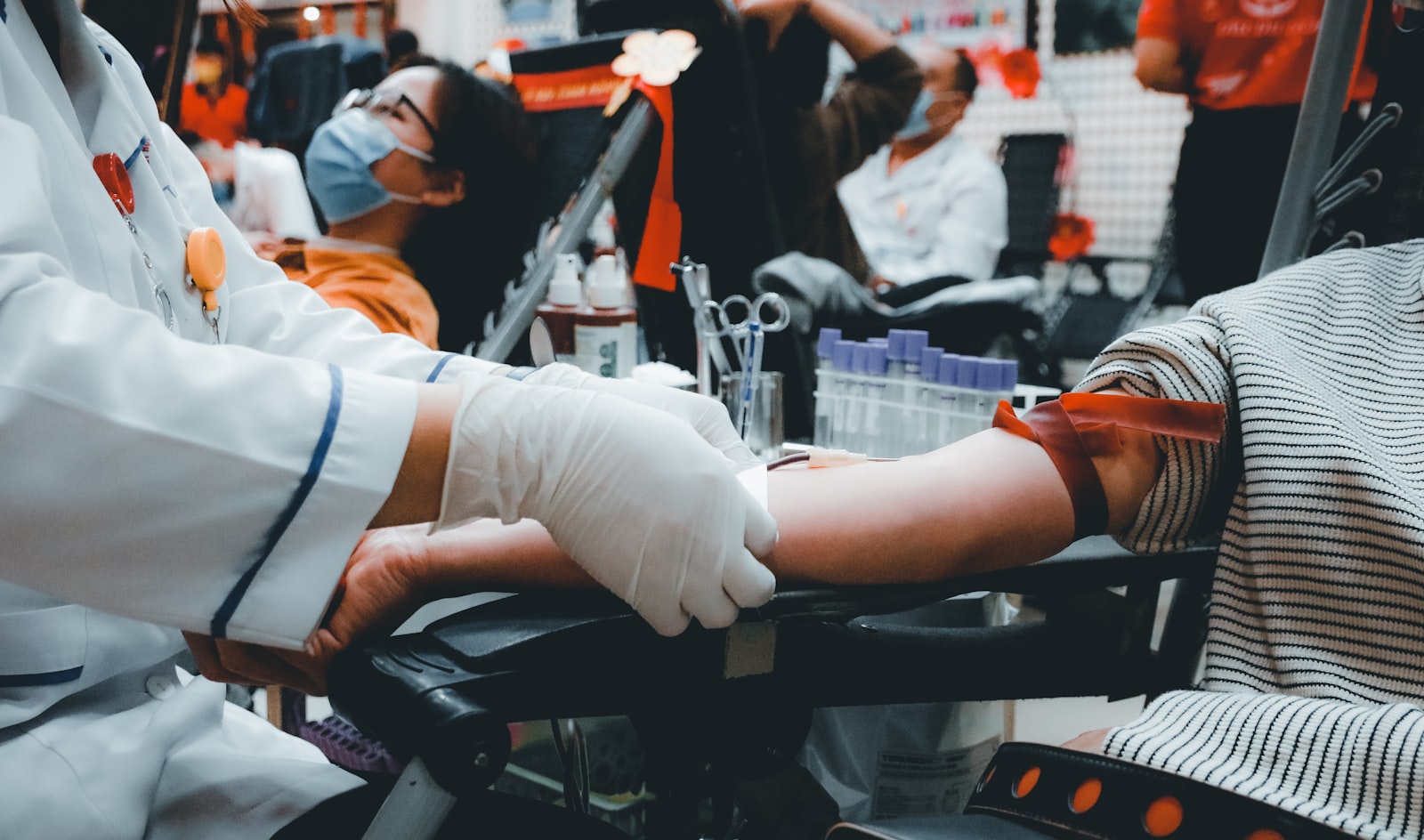
Blood Banking
Management of blood donor services, component preparation, inventory management, and regulatory compliance — ensuring a safe and adequate blood supply for healthcare facilities.
Core Competencies
- Donor screening and selection protocols
- Blood component preparation and storage
- Inventory management and wastage reduction
- Regulatory compliance and quality systems
Transfusion Science
Advanced immunohaematology covering blood group serology, antibody identification, compatibility testing, and the investigation and management of transfusion reactions.
Core Competencies
- ABO/Rh and extended blood group typing
- Antibody identification panels
- Direct and indirect antiglobulin testing
- Transfusion reaction investigation and reporting
General Haematology
Broad-based haematological laboratory practice covering automated cell counting, blood film morphology, haemoglobinopathy screening, and bone marrow processing — the foundational training for all haematology specialists.
Core Competencies
- Automated haematology analyser operation and QC
- Peripheral blood film review and reporting
- Haemoglobin electrophoresis and HPLC
- Bone marrow trephine processing and staining
Training Structure
The WAPCMLS Fellowship Training Programme is structured into three progressive stages spanning five (5) years.
Primary Examination
A qualifying assessment serving as the prerequisite for entry into Part I (Junior Residency).
Part I — Junior Residency Programme
A two-year structured training programme at an accredited training centre, covering the core specialty areas of the faculty.
Membership Certification (MWAPCMLS)
Upon successful completion of Part I, candidates are awarded the Membership of the College, which qualifies them for entry into Part II (Senior Residency). Members may also enter practice and return later to continue.
Part II — Senior Residency Programme
A three-year advanced training in a chosen sub-specialty, including research, dissertation work, and advanced written and practical examinations.
Fellowship Certification (FWAPCMLS)
Upon passing the Part II examinations and successful dissertation defence, candidates are awarded the Fellowship of the College and invested at the annual ceremony.
Entry Requirements
GENERAL REQUIREMENT
- BMLS, B.Sc, AIMLS, or MLSD qualification
- Fully registered and licensed Medical Laboratory Scientist
Minimum post qualification experience
- BMLS/BSc MLS holders: 4 years
- MLSD holders: 2 years
- Applicants with accredited M.Sc. qualifications may obtain exemption from the Primary Fellowship examination.
- Enrollment in a College accredited institution or hospital is required for Part I and Part II Fellowship training.
Curriculum
Curriculum details will be published here.
Faculty Members
Prof. Oluwatayo Beatrice, PhD, FWAPCMLS
Faculty Chairman
Prof. Beatrice Olatundun Oluwatayo is a leading Nigerian academic, medical laboratory scientist, and professor of Human Physiology. She currently serves as the Deputy Provost (Academics) at the Federal College of Veterinary and Medical Laboratory Technology (FCVMLT), Vom, and is a visiting professor and Associate Dean at Madonna University, Nigeria.

Dr. (Mrs) Uthman-Izobo Oyeronke
Secretary
Dr(Mrs) Uthman-Izobo Oyeronke Suebat is a distinguished Nigerian medical laboratory scientist, health administrator, and educator. She is best known for serving as the Acting Provost of the Lagos State College of Health Technology (LASCOHET) and recently earned her PhD.

Dr Francis Abeku Usher, Mls.D, PhD, FWAPCMLS
Training Coordinator
Dr. Francis Abeku Ussher is a Haematology Consultant Medical Laboratory Scientist, academic, and expert in Laboratory Quality Management Systems. He is a Lecturer at the Department of Medical Laboratory Science within the Faculty of Health and Allied Sciences at Koforidua Technical University (KTU). e became the first Laboratory Manager to guide a Ghana Health Service (GHS) facility to achieve a 4-Star rating using the WHO-AFRO Stepwise Laboratory Quality Improvement Process Towards Accreditation (SLPTA) checklist.